Are careers in autonomous inspection viable?
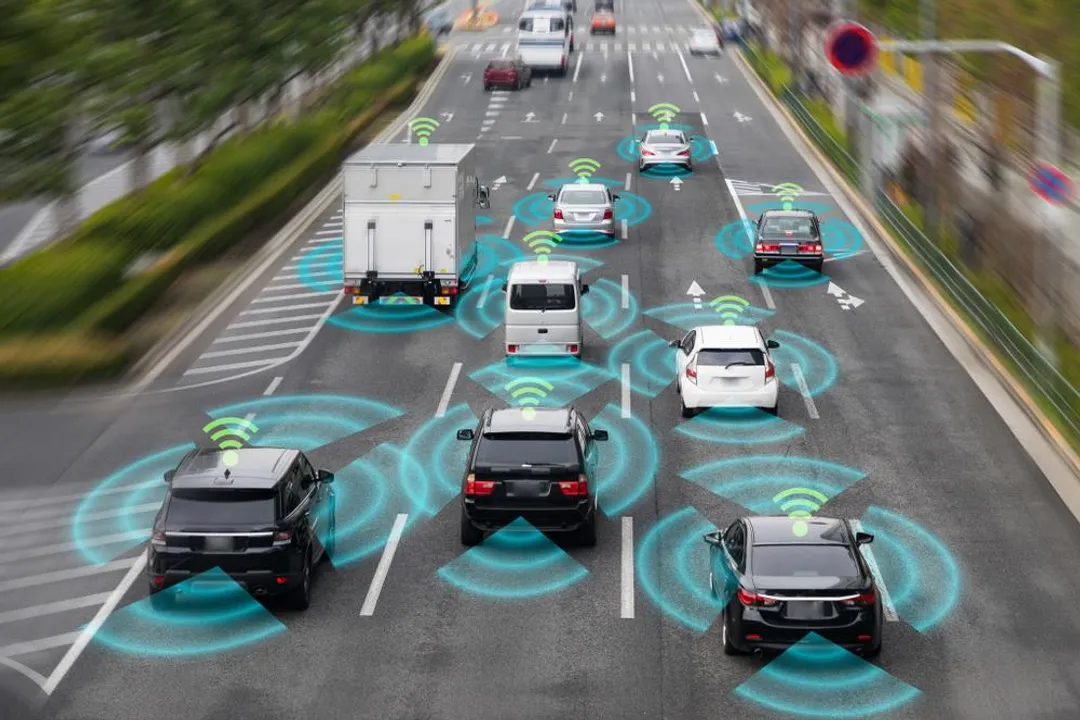
The transition toward automated systems, encompassing everything from self-driving cars to industrial robots, naturally prompts questions about the stability and growth of associated careers. When focusing specifically on autonomous inspection—tasks traditionally performed manually on infrastructure, production lines, or remote assets—the viability appears strong, backed by technological necessity rather than mere speculation. [5] These systems are moving beyond simple automation to execute complex, context-aware assessments, fundamentally changing how quality control and asset monitoring are managed across industries. [5]
# Shift Underway
The industrial sector is actively seeking ways to revolutionize quality control through the integration of autonomous inspection robots. [5] This shift is driven by the desire to eliminate the inconsistency inherent in human inspection processes, reduce inspection times significantly, and improve overall accuracy. [5] For instance, automated visual inspection, powered by advanced machine learning, can monitor high-speed production lines for microscopic defects that a human eye might miss or that would take too long to catch manually. [5] This doesn't just apply to manufacturing; consider infrastructure. Autonomous inspection, whether via drones or ground robots, addresses safety concerns by removing personnel from hazardous locations, such as inspecting aging bridges, offshore platforms, or high-voltage equipment. [8] The viability here isn't a "maybe"; it's an ongoing industrial imperative to improve efficiency and safety simultaneously. [5]
# Market Outlook
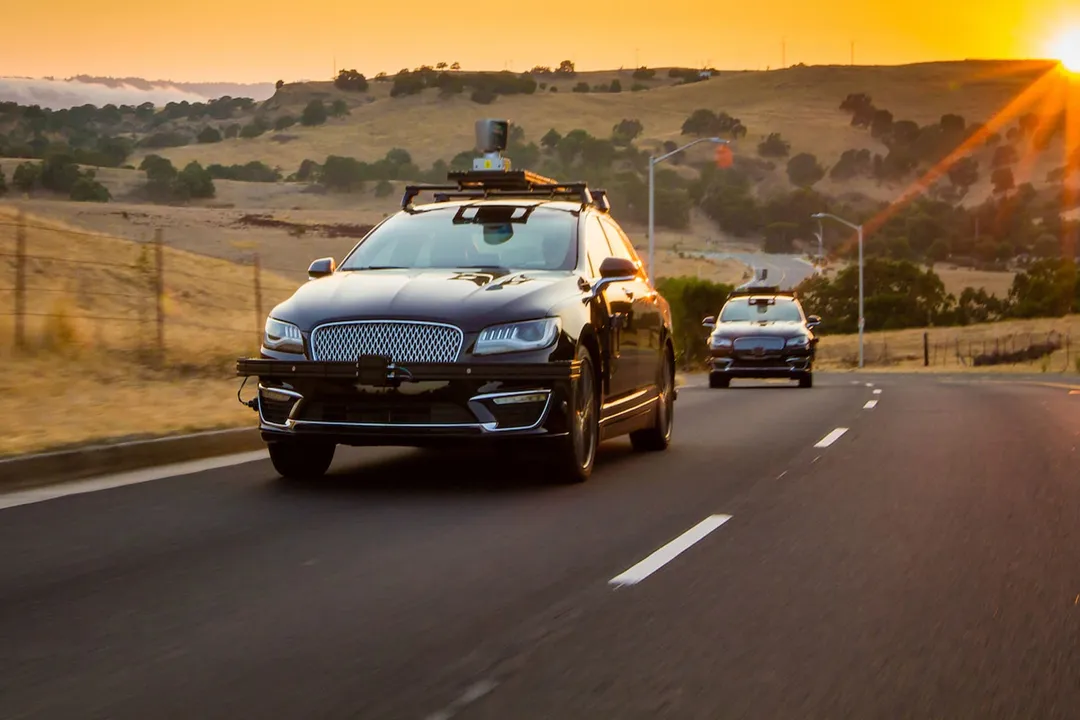
The broader autonomous vehicle (AV) sector, which shares many core technologies with autonomous inspection systems (like perception, data fusion, and decision-making algorithms), suggests a promising job market, even amidst industry consolidation. [1] While the public focus often remains on robotaxis, the underlying engineering demand remains high across various specialized fields. [1] A study highlighted the potential for autonomous vehicle jobs to surpass $110,000$ in the United States. [10] Furthermore, job creation in this technological sphere spans several categories, including advanced manufacturing related to specialized sensor hardware, specific research and development roles, and specialized services supporting deployment and maintenance. [6]
It is important to differentiate between the visible front end of AV development and the backend support structures needed for successful inspection deployment. In many large-scale industrial or offshore inspection operations, the immediate need leans heavily toward personnel who can design, deploy, and maintain the physical robotic platforms and the customized software needed for that specific environment, rather than solely focusing on road-worthy navigation stacks. [8]
When analyzing the skill demand in this evolving space, one might observe a curious dynamic: the ratio of jobs dedicated to developing the perception algorithms (software) versus those dedicated to integrating and hardening the physical inspection system (hardware/robotics) in complex environments is often skewed toward the latter for industrial applications. While software engineers create the intelligence, the physical deployment in harsh, non-standardized industrial settings requires specialized mechanical, electrical, and control engineers who can ensure the robot functions reliably under dust, vibration, or humidity—a practical challenge far removed from paved city streets. [1][5] This points to a continuing, perhaps undervalued, need for traditional engineering skills augmented with modern AI knowledge.

# Skills Needed
To secure a role in the career field supporting autonomous inspection, a background that blends traditional engineering disciplines with modern computational expertise is beneficial. [3] Core competencies often required involve expertise in perception systems, control theory, hardware development, and complex software engineering. [1] Individuals typically possess degrees in fields like computer science, mathematics, or various engineering disciplines. [3]
For those targeting the inspection niche specifically, mastery in areas like machine vision and sensor fusion becomes paramount. [5] An autonomous inspection unit is essentially a sophisticated mobile sensor platform. Its viability hinges on its ability to accurately process the data it gathers—whether that data is infrared thermal imaging of a pipeline or high-resolution imagery of a turbine blade. [5] Therefore, roles focusing on data processing, defect identification models, and the reliability of those models are critical career pathways. [1][9]
# Testing Hurdles
The viability of any autonomous career is intrinsically linked to the reliability of the technology being deployed, and testing presents a significant barrier that requires specialized personnel. [7] For autonomous systems, validation is complex, demanding significant effort in handling massive datasets generated by sensors, developing sophisticated simulation environments, and executing rigorous real-world trials. [7]
The challenge in testing autonomous inspection systems differs slightly from testing a self-driving car. While AV testing focuses heavily on unpredictable traffic variables, autonomous inspection testing concentrates on edge cases related to the object being inspected and the environment surrounding it. [7] For example, an inspection drone must be validated against every possible lighting condition, surface texture, and type of expected defect on the asset it surveys. [7] Personnel skilled in designing these specific, complex testing scenarios and validating the system's confidence level—knowing when to flag an anomaly versus when the system isn't sure enough to provide a definitive answer—will be essential. [9] This need for validation expertise creates a distinct and viable job category separate from core development.

# Offshore Demand
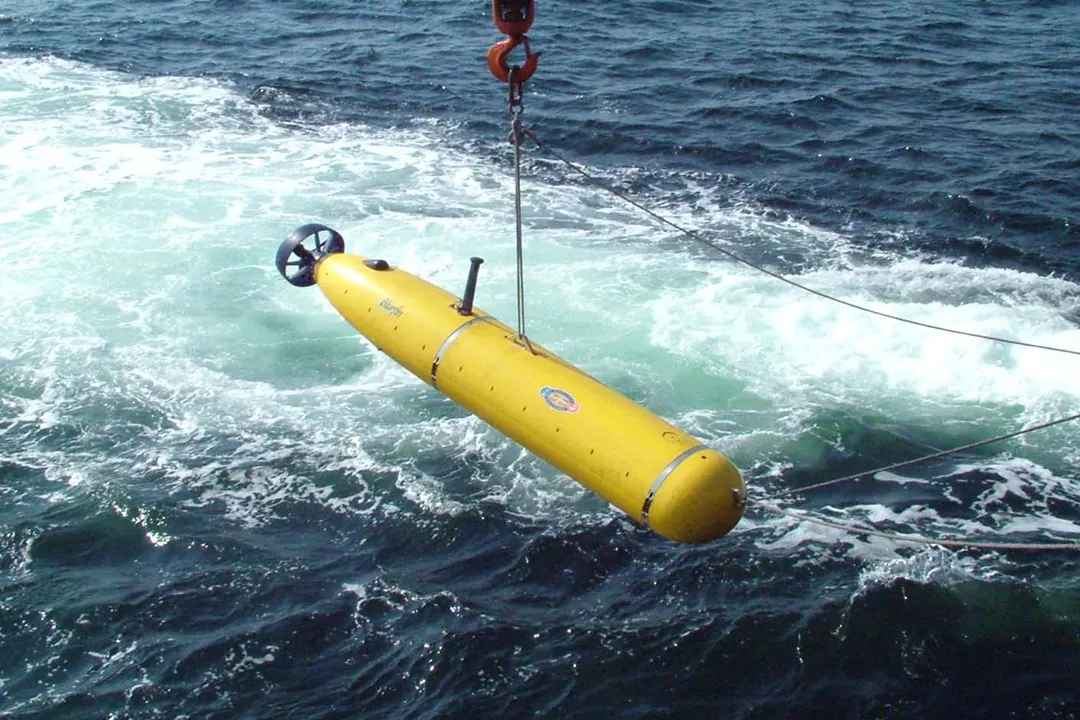
While many discussions center on terrestrial or urban autonomy, remote and harsh environments create immediate, high-value demand for autonomous inspection personnel. [8] The offshore energy sector, for instance, relies heavily on unmanned technology to perform inspections on subsea assets, wind turbines, and other infrastructure that are expensive and dangerous for humans to access regularly. [8]
This situation drives demand for technicians and engineers who understand both the robotics and the specific regulatory or physical constraints of the marine or offshore setting. [8] A practical tip for those looking to establish long-term careers in this specific inspection vertical is to focus not just on the creation of the inspection algorithm, but on the certification and data pipeline required to get the inspection results officially approved by asset operators. This often involves creating synthetic data environments that precisely mimic real-world operational conditions—like simulating a specific type of corrosion under high-pressure saltwater—to train and rigorously validate the system before it is ever deployed miles from shore. [7] Companies are willing to pay a premium for personnel who can bridge this gap between the lab and the highly regulated field.
# Job Skepticism
Despite the technological need, it is worth noting that some within the broader robotics community express pessimism regarding job security or industry stability. [2] Concerns have occasionally surfaced regarding layoffs or a perceived slowdown in certain areas of robotics development, leading some to question if entering the field is a sound long-term decision. [2] This skepticism often arises during market corrections or when initial hype outpaces immediate deployment timelines, particularly in consumer-facing autonomy projects. [2]
However, when viewing the landscape through the lens of specialized industrial and infrastructure inspection, the trend appears to be one of replacement of dangerous/monotonous work rather than outright job elimination for highly skilled personnel. [5] The role shifts from performing the inspection to managing the autonomous inspection fleet and analyzing the data it provides. [1] A career in autonomous inspection, therefore, requires adaptability. The individual succeeding will be the one who can transition their expertise from manual operation or traditional engineering into managing the AI systems delivering the results. [3]

# Future Trajectory
The viability of careers in autonomous inspection is high because the need for accurate, frequent, and safe monitoring of physical assets is fundamental to nearly every major industry globally. [5][8] The technology is rapidly maturing past the experimental stage into essential operational tools. [5][9] Success in this career path will likely belong to those who specialize not just in the core AV technologies like planning and control, but in the specific application area—be it aerospace component analysis, energy grid integrity checks, or complex logistics monitoring. The underlying technical expertise remains valuable, but the application defines the job. [1][3]
The careers are not static; they demand continuous upskilling. As algorithms get better at detecting known flaws, the human role will gravitate toward training the system on novel failures—the things the model has never seen. [7] Building a career here means accepting that you are not just a programmer or an engineer, but a domain expert translating the physical world's complexities into quantifiable, machine-readable logic, ensuring that the next generation of autonomous inspectors are smarter, safer, and more reliable than the systems before them. [9]
#Videos
Autonomous Robotic Inspections: Insights from SLB Experts ...
Related Questions
#Citations
Autonomous Driving Tech: Still a Viable Career?
Robotics industry is dead & a bad choice (for jobs)
Autonomous Vehicle Jobs - What Are They and How to Get ...
Autonomous Robotic Inspections: Insights from SLB Experts ...
Transforming Industrial Inspection with Autonomous Robots
Autonomous vehicles won't only kill jobs. They will create ...
Full Self Driving and Autonomous Vehicle Testing Challenges
Autonomous & Unmanned Tech Personnel
Autonomous vehicles and employment: An urban futures ...
New Study: Autonomous Vehicle Jobs to Exceed 110k in U.S.