Are careers in advanced recycling viable?

The promise of advanced recycling is a subject that captures intense industry focus, yet it remains fiercely debated in public and regulatory circles. For those considering a profession in this area, the central question isn't just what the technology does, but whether the entire sector is financially and environmentally sustainable enough to support long-term careers. The industry speaks of growth opportunities and transforming waste into valuable materials, while critics warn of inflated claims and limited practical scale. [6][3] Navigating this landscape requires understanding the technology's current standing, the market's optimism, and the concrete demand for specialized workers who can build, operate, and refine these emerging facilities. [5]
# Tech Scope

Advanced recycling, often referred to as chemical recycling, represents a set of processes that aim to break down plastic waste into its original molecular building blocks or into fuels and feedstocks that can then be used to create new virgin-quality plastics or other chemicals. [1][6] Unlike traditional mechanical recycling, which can often only handle a limited range of clean plastics and results in downcycling to lower-quality products, advanced methods target mixed or contaminated plastics that would otherwise be destined for landfills or incineration. [1] An engineer at ExxonMobil noted the importance of chemical processing in handling complex waste streams, suggesting these technologies offer a way to manage materials that current systems struggle with. [1] McKinsey & Company identifies this as a key area for growth, suggesting that successfully scaling advanced recycling could unlock significant value in the chemicals sector by creating new feedstock sources. [6]
# Growth Prospects
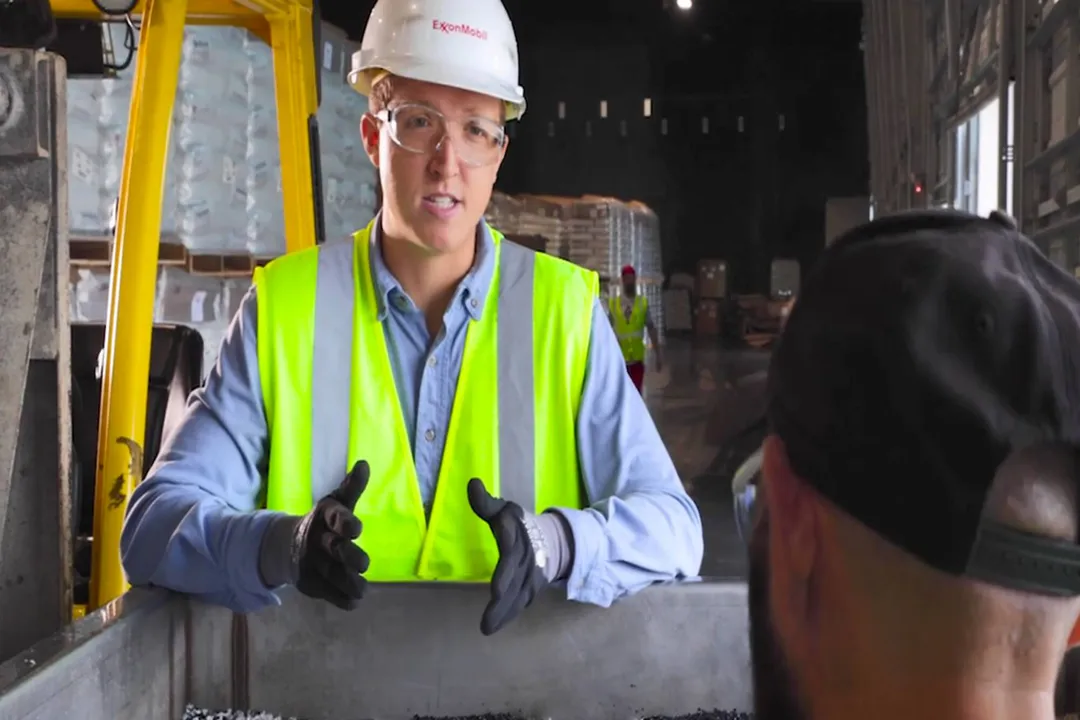
Optimism surrounds advanced recycling, fueled by projections of necessary waste management solutions and the potential for closed-loop material systems. [6][7] Proponents see it as the next major technological boom in materials science, capable of handling a broader spectrum of post-consumer plastic waste than traditional methods allow. [7] McKinsey suggests that these technologies, when scaled effectively, offer significant opportunities for chemical companies to reposition themselves as providers of circular materials, moving away from linear production models. [6] Furthermore, the industry is attracting investment based on the premise that technological innovation will overcome previous recycling hurdles, potentially turning waste into a reliable commodity stream. [10]

# Viability Doubts
Despite the enthusiasm from proponents, significant headwinds question the true viability and environmental integrity of advanced recycling initiatives. [2] A report reviewed by Reuters raised serious doubts regarding the economic feasibility and the actual environmental benefits of many announced advanced recycling projects. [2] Compounding this skepticism, organizations like Climate Integrity have labeled certain claims surrounding advanced recycling as "fraud," arguing that many facilities are essentially thinly veiled incinerators disguised as recycling operations, failing to meet genuine recycling standards. [3] These critical views suggest that if the processes cannot achieve cost-effective, high-yield conversion rates into usable materials—rather than just lower-value fuels—the long-term business case for widespread deployment collapses, making associated careers less secure. [2][3] The challenge lies in proving that the input-output equation consistently favors genuine circularity over simple waste destruction. [4]
# Talent Demand
When technological promise meets operational reality, a clear need for skilled workers emerges, regardless of the current debates on long-term viability. The complexity of chemical recycling—which involves depolymerization, pyrolysis, or gasification—requires personnel with specific expertise that differs from traditional mechanical sorting facilities. [5] The "future recycling workforce" will need more than just sorters; it demands chemical engineers, process technicians, data scientists to optimize reaction conditions, and environmental specialists to manage new outputs. [5] This shift indicates that the sector is maturing from a collection-based industry to a manufacturing and process-intensive one, directly increasing the demand for technical and scientific talent. [9] If these facilities are built, they will require staff to run them, suggesting immediate career viability for those with the right chemical or mechanical engineering background, even if the sector’s long-term fate is still being decided. [1]

# Job Reality
Looking at the ground level, roles within the industry are specialized. For example, an engineer working on these processes is focused on optimizing chemical reactions to convert plastic waste into valuable feedstocks, a highly technical application of chemistry and process control. [1] Companies operating in this space, such as Advanced Technology Recycling, have employee reviews suggesting a mix of experiences common to growing, hands-on technical industries—involving complex machinery and operations. [8] While reviews on job sites might reflect day-to-day operational challenges—such as managing maintenance or adapting to new processes—the underlying technical need for specialized staff remains a constant factor in the sector’s current hiring needs. [8]
# Career Bridges
Considering the current friction between hype and reality, a durable career path in this field might require skills that bridge the gap between high-tech chemical processing and traditional waste management logistics. For instance, someone with expertise in optimizing feedstock purity, understanding the variability of plastic waste streams, and designing separation techniques necessary for efficient chemical conversion will be valuable whether the facility uses pyrolysis or advanced mechanical sorting. [4][10] A practical consideration for aspiring professionals is to gain cross-training in both process engineering fundamentals and the regulatory compliance surrounding waste handling, as the interface between these two worlds is where most near-term operational bottlenecks occur. This dual competency mitigates the risk associated with betting on a single unproven technology, favoring instead the ability to apply chemical principles to messy, real-world inputs. [5]

# Industry Scale
The scale of investment often mirrors the perceived career opportunity. When major players commit capital to building facilities, they signal a belief in near-to-medium term viability, which translates directly into job creation for construction, commissioning, and long-term operation. [6] The argument for advanced recycling, as an "America’s next tech boom," rests on its ability to attract significant capital willing to build out the necessary infrastructure, from pilot plants to commercial-scale reactors. [7] However, capital inflow is sensitive to regulatory clarity and proven operating costs. If environmental groups successfully challenge the permitting or operational claims of these plants, investment can dry up quickly, putting future job growth in jeopardy.
# Future Roles
The long-term viability of careers in advanced recycling hinges on achieving genuine economic competitiveness against virgin fossil fuels and traditional recycling methods. [2] If the technology proves economically sound and environmentally sound, the workforce will evolve to focus heavily on scaling production and perhaps developing new catalytic chemistries to improve yield and purity. [1][6] If, however, the sector settles into a niche role—perhaps only handling highly specific, difficult-to-recycle polymers—the job market will remain smaller and focused on specialized toll processing rather than massive industrial expansion. [4] My analysis suggests that the most resilient career path lies in system integration: professionals who can design the entire material flow, linking the collection of post-consumer waste efficiently to the chemical input requirement, and then handling the off-take of the recycled product, will be indispensable across various waste processing models. This holistic view accounts for the physical limitations of waste collection as much as the chemical potential of the conversion unit. [9]
# Public Sentiment
Public and investor sentiment, visible even in online forums discussing stock potential, plays a part in the sector's trajectory. The belief that technology can eventually solve the plastic waste problem keeps the conversation—and the associated career possibilities—alive. [10] Conversely, skepticism about recycling’s core efficacy can dampen public support necessary for local facility siting and political backing, indirectly affecting the speed at which new plants can be established and staffed. [3] The ability of the industry to transparently demonstrate material outcomes, rather than just process descriptions, will be key to building trust and securing the necessary social license for sustained workforce development. [2] Ultimately, a viable career in this space is one where the work contributes demonstrably to a circular economy, a metric that current critics argue the sector has yet to fully meet. [3]
Related Questions
#Citations
Unlocking the potential of advanced recycling: Matthew McConomy
Reuters Report Raises More Doubts About Advanced Recycling
New Report: 'The Fraud of Advanced Recycling'
Will Plastic Recycling Really Never Work? : r/ChemicalEngineering
Future Recycling Workforce → Term - Prism → Sustainability Directory
Advanced recycling: Opportunities for growth - McKinsey
COLUMN: Advanced recycling could be America's next tech boom
Working at Advanced Technology Recycling: 95 Reviews | Indeed.com
What Are the Career Prospects in the Plastic Recycling Industry?