At what salary are you exempt from overtime?

Determining whether an employee must receive overtime pay hinges on more than just their job title or how busy their schedule is; it requires a close look at federal standards that dictate salary thresholds and job duties under the Fair Labor Standards Act (FLSA). [2][3] For many years, the baseline for overtime exemption remained relatively stable, but recent regulatory shifts signal a significant change in how employers must classify their workforce, directly impacting payroll and staffing decisions nationwide. [7] The core issue is that the FLSA establishes two main hurdles an employee must clear to be deemed "exempt" from minimum wage and overtime requirements: a salary basis test and a duties test. [2][3]
# Salary Basics
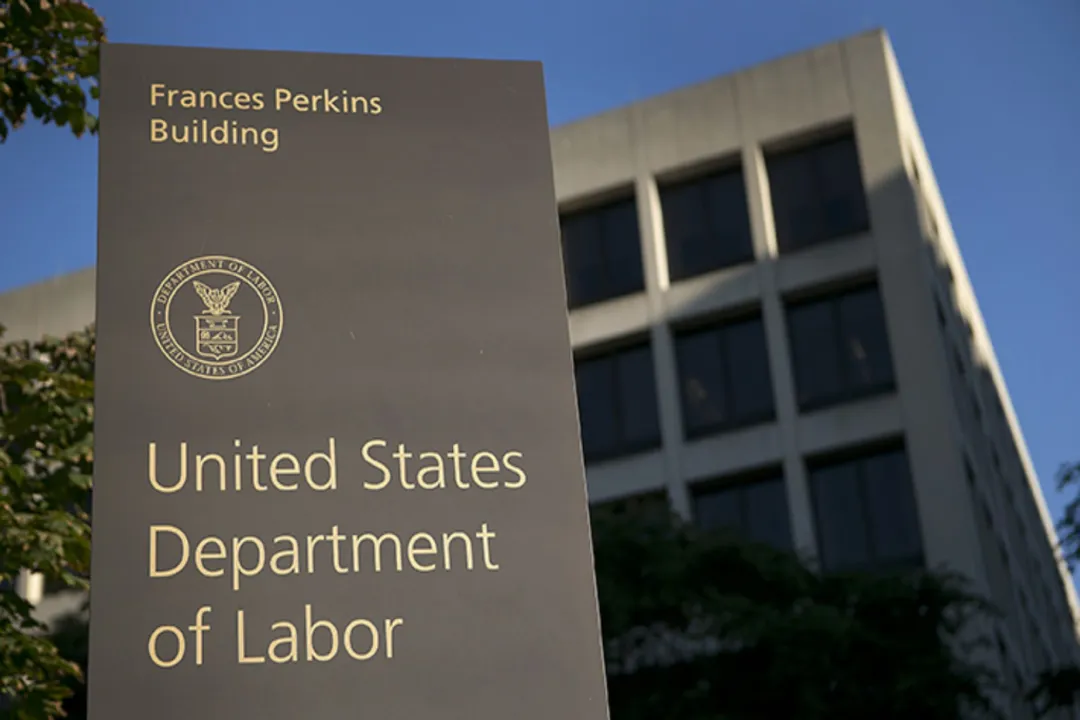
Under the FLSA, to be considered exempt from overtime protections, an employee generally must meet a specified minimum guaranteed salary level. [1] This salary must be paid on a salary basis, meaning the employee receives their full, predetermined weekly salary for any week in which any work is performed, regardless of the quality or quantity of work, subject to very specific, narrow exceptions for unpaid leave. [3] If an employee's weekly pay dips below this set federal minimum because of fluctuations in hours worked—meaning their pay changes based on time—they are typically considered non-exempt and entitled to overtime pay for hours worked over 40 in a workweek. [2][3]
The established federal minimum salary threshold for the executive, administrative, and professional (EAP) exemptions has historically been \684 per week**, which amounts to **\35,568 annually. [1][3] If an employee earns at least this amount and satisfies the associated duties test, they are exempt. [3] If they earn less than this threshold, they are automatically entitled to overtime pay for any hours worked beyond 40 in a week, regardless of their specific job duties. [1]
# Recent Threshold Update
The landscape for overtime exemption is currently undergoing a major transition due to a final rule issued by the Department of Labor (DOL). [7] This new rule significantly raises the guaranteed minimum salary required for exemption, moving beyond the long-standing $$35,568figure [^7]. The DOL has finalized a rule that sets the new minimum salary threshold at **\1,128 per week**, translating to an annual salary of $58,656. [7]
This change is designed to restore the purchasing power of the salary threshold, which has not kept pace with inflation and wage growth over the past decade. [5] While the initial increase is substantial, the DOL’s plan involves a staggered approach to implementation, which is a key detail for employers planning their budgets. [5][7] The final rule often includes scheduled increases to this threshold over time, meaning that even if a business is compliant with the initial jump, they must monitor future increases to maintain compliance. [5] For instance, some initial proposals have included tiered increases, potentially phasing in the full $$58,656$ figure over several months or years, depending on the employer's size or sector, though the final published rule dictates the exact timeline for compliance. [5][7] Legal analysts watching these developments caution employers to track the effective date of the final rule meticulously, as failure to meet the new salary floor by that date exposes the company to liability for unpaid overtime wages. [4][5]

# The Dual Requirements Duties Test
It is a common misconception that simply paying an employee a high salary automatically exempts them from overtime. This is incorrect; the salary test is only one part of the equation. [8] The FLSA demands that even if an employee clears the minimum salary hurdle, their actual job duties must also align with the defined responsibilities of an exempt classification. [2][3] These exemptions are generally categorized under Executive, Administrative, or Professional (EAP) roles. [3]
To qualify under the EAP categories, the employee's primary duty must involve specific high-level tasks, such as managing the enterprise or a recognized department (Executive), performing non-manual work directly related to management policies or general business operations (Administrative), or performing work requiring advanced knowledge in a field of science or learning (Professional). [3] Simply having "manager" in the title is insufficient; the employee must be genuinely exercising discretion and independent judgment in matters of significance. [2]
Consider a scenario where a senior-level employee earns $$70,000$ annually—comfortably above the historical federal threshold. If that employee spends 80% of their time performing routine, production-level tasks, they would likely fail the duties test for an administrative or executive role and would therefore be entitled to overtime, despite their high salary. [8] The focus remains squarely on what the person does, not just what they are paid. [2][3]
# State Law Overlay
While the FLSA sets the federal minimum standard, state laws can offer greater protections to workers. [9] This means that an employee might be classified as exempt under federal law but considered non-exempt under their state's regulations, or vice versa, if the state standard is higher or lower. [9]
For example, Washington state law often sets its own minimum salary thresholds for exemption that may differ from federal requirements. [9] In states where the minimum wage is substantially higher than the federal floor, or where the state overtime rules are more restrictive regarding exemptions, employers must comply with the standard that provides the most favorable treatment to the employee. [9] This state-level overlay requires employers operating in multiple jurisdictions to maintain separate, state-specific compliance standards, often defaulting to the highest applicable threshold or strictest duty requirement. [9]
An important takeaway here is recognizing that the salary floor isn't a single national number anymore, especially once state laws factor in. If your company is based in a state like California or New York, which often have higher minimum wages and specific overtime rules, the federal salary increase might be overshadowed by an even more stringent state requirement already in place. [9]

# Auditing Your Workforce
Preparing for the DOL's salary increase requires proactive auditing, which is where many businesses can inadvertently trip up if they focus only on the numbers. [4] The salary floor is rising, but the duties tests are not changing; they are becoming more relevant because more currently exempt employees will now fall below the new salary threshold and must be reclassified as non-exempt. [5][7]
For employers looking to stay ahead of the compliance curve, a two-step audit process is advisable:
Salary Baseline Check: Immediately identify every salaried employee earning between the old federal threshold $($35,568)($58,656)$. [1][7] These are the employees requiring immediate attention, as their status will change unless their salary is increased to meet the new floor. [5]
Duties Validation: For all employees who are earning above the new $$58,656$100,000$ per year*. [2]
Here is a simplified view of the decision matrix employers face for a salaried employee:
| Salary Earned | Duties Test Met? | Resulting Status | Action Required |
|---|---|---|---|
| Below $$58,656$ | Yes or No | Non-Exempt | Must pay overtime for hours over 40. |
| Above $$58,656$ | No | Non-Exempt | Must pay overtime for hours over 40. |
| Above $$58,656$ | Yes | Exempt | No overtime required. |
This table is illustrative based on FLSA requirements and the proposed new salary levels and should be cross-referenced with the specific effective date of the final DOL rule. [1][7]
The original insight here lies in recognizing the strategic payroll decision: for an employee sitting just above the new floor, say at $$60,000$58,656$ (or higher to account for future bumps) to maintain exempt status if the duties allow it, or they can leave the salary at $$60,000$ but reclassify the employee as non-exempt. If the employee frequently works 50 hours a week, the cost of paying that 10 hours of overtime might exceed the difference between the previous salary and the cost of increasing the salary just enough to keep them exempt. Analyzing the actual historical work hours of borderline employees is critical for sound financial planning ahead of the mandate. [4]
# Misconceptions on Deductions
Another area where employers often mistake an exempt employee for a non-exempt one involves payment structure. If an employer makes improper deductions from an exempt employee’s salary, they risk losing that exemption for that employee across an entire pay period. [3] For example, docking an exempt administrative employee's pay because they took a half-day off without using available paid leave would destroy the "salary basis" requirement for that pay period, rendering the employee non-exempt and making them eligible for overtime pay for all hours worked that week. [3]
The rules strictly permit deductions only for full-day absences for personal reasons when the employee has exhausted paid leave, disciplinary suspensions that meet specific criteria, or intermittent FMLA leave. [3] Any other reduction in pay based on the quantity or quality of work performed—such as docking 2 hours because an employee arrived late—is prohibited for exempt workers and signals non-exempt status. [2][3] This rigidity underscores why strict adherence to payroll procedures is just as important as hitting the mandated salary number.

# Addressing Future Increases
Legal experts emphasize that while the first salary jump to $$58,656$ is the immediate hurdle, employers must plan for further mandated increases. [5] The DOL has structured the final rule to automatically update the salary threshold every three years to keep pace with wage growth, meaning compliance is an ongoing administrative process, not a one-time fix. [7]
For organizations anticipating growth or frequent salary adjustments, embedding the three-year automatic review into their HR compliance calendar prevents sudden, disruptive compliance failures down the line. [5] Thinking about the salary requirement not as a fixed number but as a perpetually moving target based on federal review is essential for maintaining long-term FLSA authority. [4] The expectation is that the threshold will continue to rise significantly over the next several years, pushing more middle managers and specialized staff into the overtime-eligible category unless their salaries are proactively adjusted. [7] This consistent upward pressure requires sustained attention from finance and human resources departments alike.
#Videos
New Overtime Rule for Salaried Employees | Are Yours Still Exempt?
Related Questions
#Citations
Earnings thresholds for the Executive, Administrative, and ...
Exempt vs Non-Exempt Employee - ADP
Federal Court Turns back Time on DOL's Overtime Exemption ...
Labor Department Increases Salary Thresholds for Overtime ...
New Overtime Rule for Salaried Employees | Are Yours Still Exempt?
Labor Department Increases Overtime Salary Threshold to $58K Per ...
Who is Exempt From Overtime Pay? - QuickBooks
Overtime rules for Washington workers